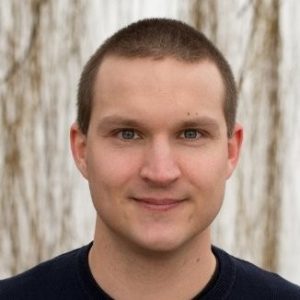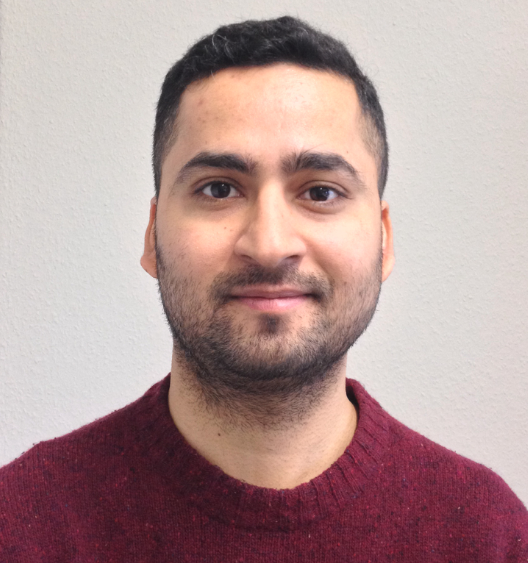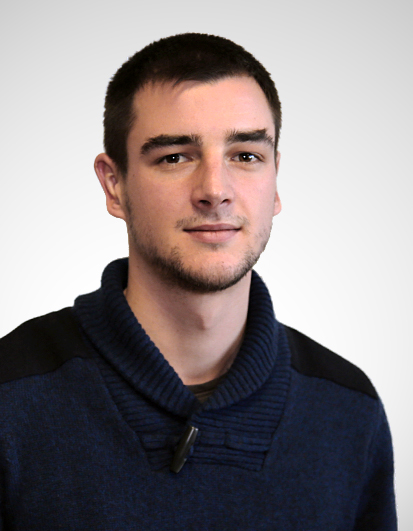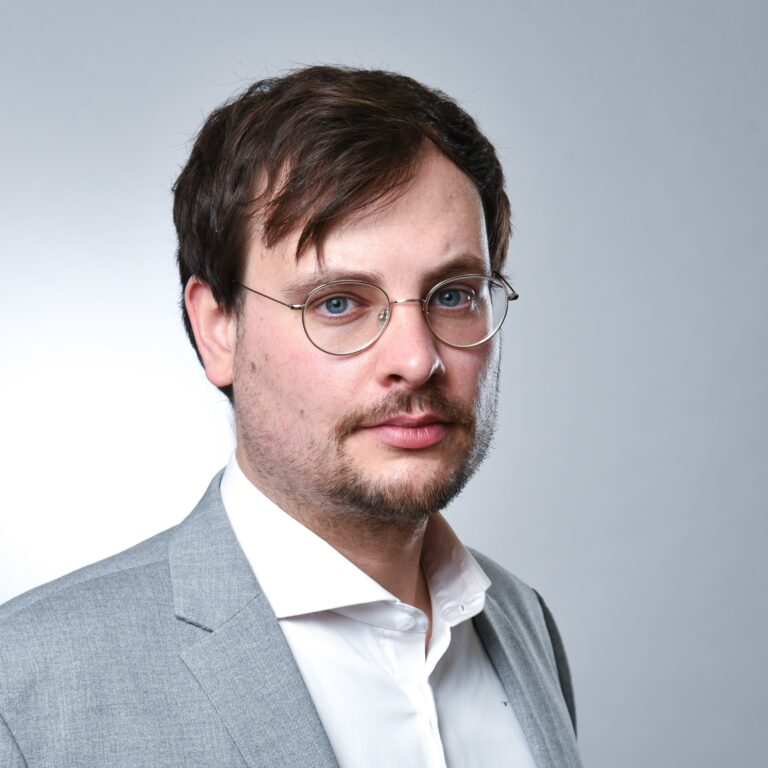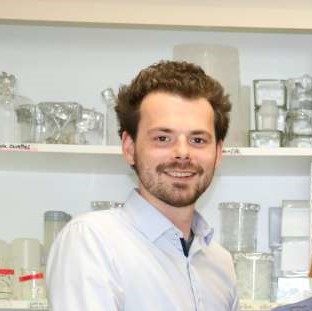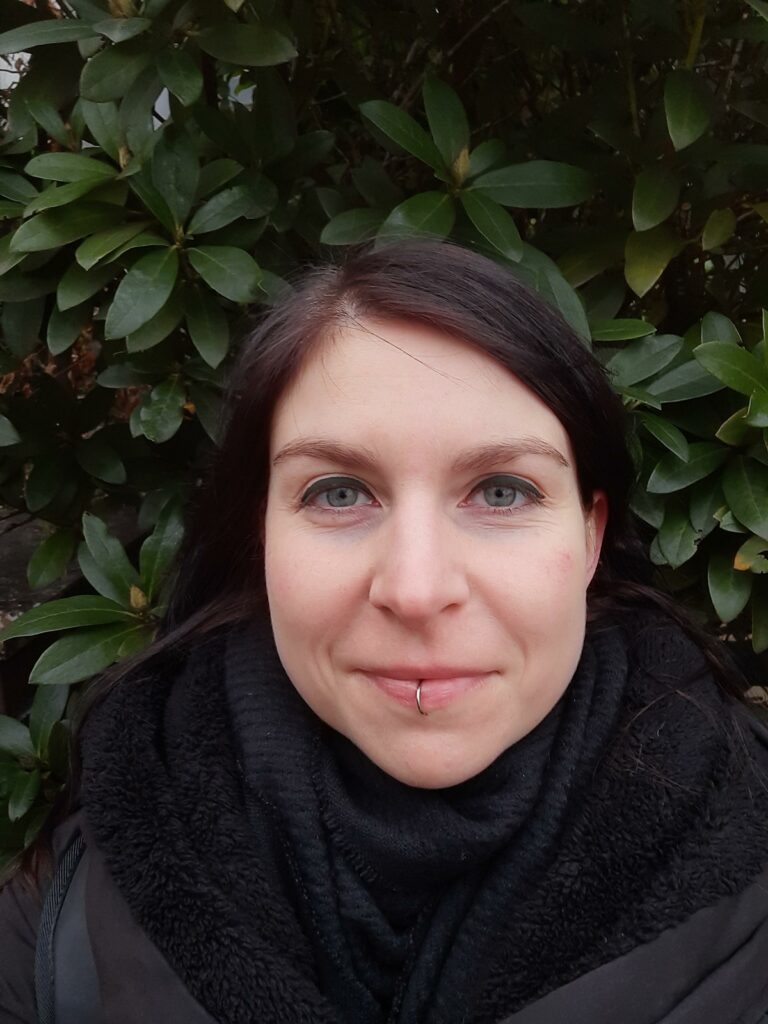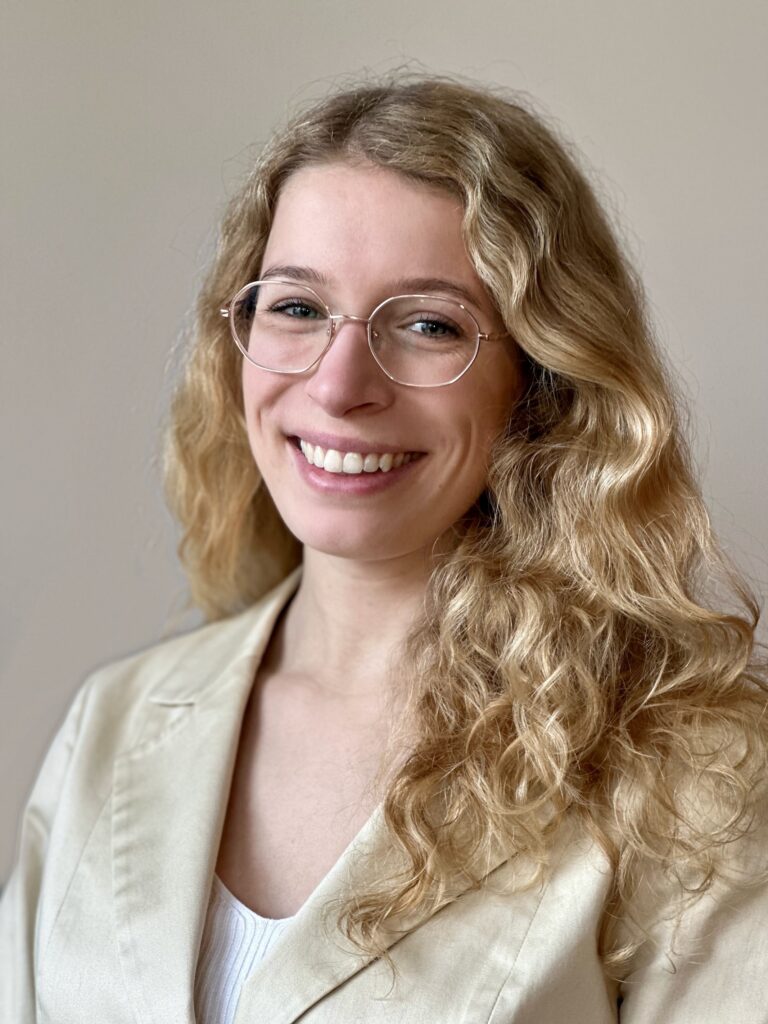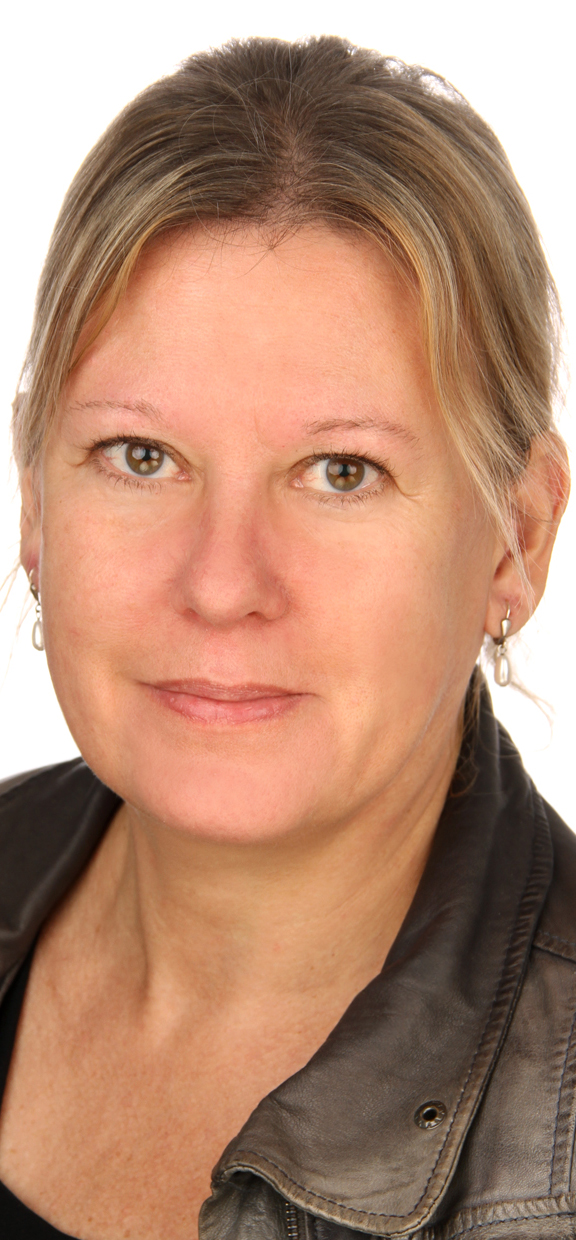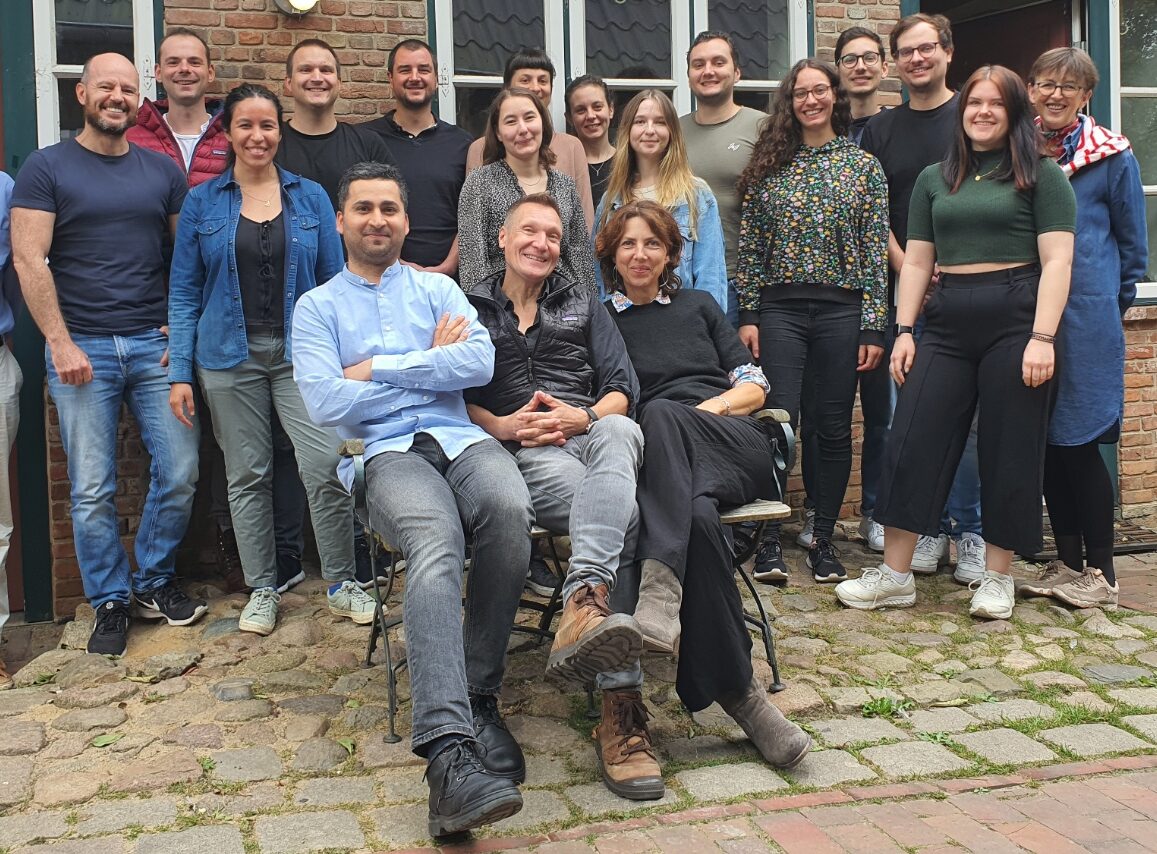
Current members:

Prof. Dr. Grundhoff, Adam

Head of Research Unit

Thomas Günther, Dr. rer. nat.

Senior Scientist

Simon Weißmann, PhD

Post-Doc

Sanamjeet Virdi, Dr. rer. nat.

Bioinformatician

Alexis Robitaille, PhD

Bioinformatician

Patrick Blümke, Dr. rer. nat.

Post-Doc

Jacqueline Nakel, Dr. rer. nat.

Post-Doc

Romina Vargas Ayala, M. Sc.

PhD Student

Jan Knickmann, M. Sc.

PhD Student

Gyuli Kim, M. Sc.

PhD Student

Isabell Korth, M. Sc.

PhD Student

Marie-Sophie Vollmost, B. Sc.

Master Student

Susanne Hoibian

Technician

Marion Ziegler

Technician

Kerstin Reumann

Technician

Sandra Postels

Technician

Christine Block

Team Assistance

Former lab members

Adam Grundhoff, Prof. Dr. rer. nat.

Head of Research Unit

After a few semesters in mathematics and physics, I studied biology at Saarland University, where I discovered my fascination for virology. I did my master’s and doctoral thesis at the Saarland University Hospitals in Homburg, where I studied the Epstein-Barr virus (EBV), a herpesvirus that causes a number of human tumor diseases. This period also saw the discovery of Kaposi sarcoma-associated herpesvirus (KSHV), a relative of EBV. Besides some B-cell lymphomas, KSHV causes the eponymous Kaposi sarcoma, a tumor that saw a dramatic increase in case numbers following the AIDS epidemic. After completing my PhD, I went to the University of California at San Francisco (UCSF) to work in the laboratory of Don Ganem, one of the pioneers of KSHV research. There, I was able to work with newly developed microarrays, an analysis technique that for the first time allowed the interrogation of complete transcriptomes. In the process, I could also expand my bionformatics skills, e.g., by developing algorithms for the identification and analysis of viral miRNAs. The investigation of experimental infection systems using omics analysis methods, as well as the development and adaptation of bioinformatic analysis methods have been the focus of my research ever since. From 2005 on, I am leading a research group at the Leibniz Institute for Experimental Virology in Hamburg, where I am investigating KSHV, but also other human pathogenic DNA viruses such as Merkel cell polyomavirus. In addition, we use metagenomic sequencing to identify infectious agents in clinical samples. The variety of intellectual challenges associated with these topics are a major part of my scientific motivation.
In my free time, I enjoy being outdoors – whether by bike or on foot.

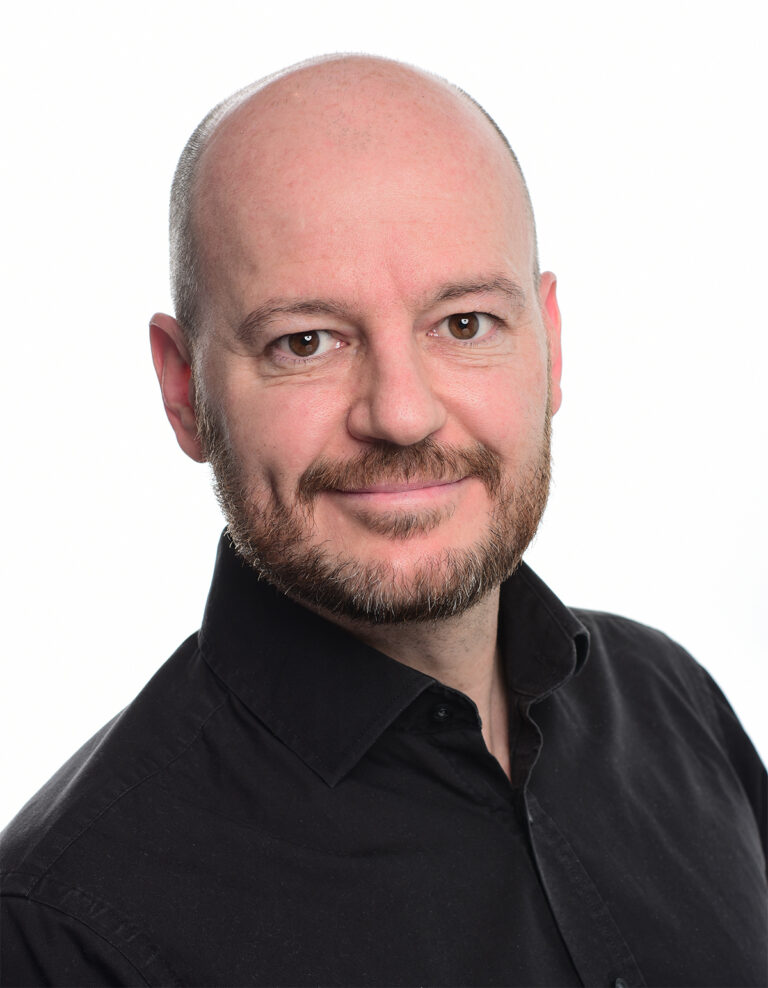
Thomas Günther, Dr. rer. nat.

Deputy head of Virus Genomics
Radiation safety officer
Senior scientist

Thomas Günther studied Biochemistry and molecular biology at the University of Hamburg, Germany. After graduation he joined the group of Adam Grundhoff at the Leibniz Institute of Virology where he started working on the early chromatinization of Herpesvirus genomes with a focus on latent Kaposi’s sarcoma associated herpesvirus (KSHV) infection. During that time, he already became interested in polycomb repression of different viruses using comparative approaches. In 2011, Thomas received the doctorate and took the opportunity with his colleagues to build up the Institute’s next generation sequencing (NGS) facility and became an expert in NGS sequencing technologies and bioinformatics. Thomas is now a senior scientist and the deputy head of the research unit Virus Genomics. Furthermore, he has the duties of a radiation protection officer and coordinates the institute’s radiation safety measures.

In current research, Thomas focuses on comparative approaches to investigate general aspects of chromatin acquisition and regulation by different viruses, in particular different repression mechanisms. Recently, he established live-cell imaging approaches to visualize viral DNA upon infection in real-time, that allow analyzing infections on a single episome/genome level.

KSHV SunSet system

Simon Weißmann, PhD

Post-Doc

My main interest has always been how chromatin landscapes are shaped by histone modifying enzymes, as well as their contribution to gene transcription. During my doctoral thesis at the BRIC in Copenhagen, I became intrigued how these enzymes can induce altered states of cell identity that support cancer development. Since joining the group in 2017 I am using my background in chromatin biology to unravel the fascinating and intricate steps of maturation and chromatinization of herpesvirus genomes during the early phase of infection. Here I focus on the polycomb repressive complexes (PRCs) and how they influence latency establishment of KSHV. I am convinced that by studying how KSHV directs chromatin regulators of the host cell to its own viral genome, we will not only learn about their role in the viral life cycle but we will also identify new therapeutic avenues to disrupt viral latency.

Sanamjeet Virdi, Dr. rer. nat.

Bioinformatician

Sanamjeet did his Masters in Bioinformatics in Tampere, Finland. Later he moved to Germany and finished his PhD from Heidelberg University (2015-2018) and was also a Marie-Curie early-stage researcher in ZENCODE-ITN (Horizon 2020). 

Currently Bioinformatician at Technology Platform Next Generation Sequencing, Leibniz Institute of Virology (LIV) since March 2019. His research technique expertise consists of analysing next generation sequencing data (WGS, RNA-seq, scRNA-seq, ChIP-seq and ATAC-seq) using various open source tools and ability to work on other types DNA or protein sequences data using Python and R. Other interests include browsing random repositories on GitHub and following academic twitter.

Alexis Robitaille, PhD

Bioinformatician

Following my master thesis in bioinformatics and computational biology, I joined the International Agency for Research on Cancer (IARC/WHO) where I graduate from the BMIC doctoral school. My main research interest was the discovery of novel HPV type in epithelial tissue sample using a L1 gene targeted sequencing approach. During my PhD, I developed a bioinformatic solution for the analysis and discovery of putative HPV type leading to the characterization of several novel Gamma-PV and one novel Beta-PV. On April 2020, I joined the Virus Genomic group where I started the analysis of the Sars-CoV-2 samples sequenced in the laboratory. We developed an advanced bioinformatic workflow for the complete characterization of weekly collected samples of Corona infected patient in the Hamburg area. In the mean time, I’m currently working on the implementation of a method for viral ChiP signal normalization.

Patrick Blümke, Dr. rer. nat.

Post-Doc

Since my studies in life sciences and biotechnology at the University of Münster, I have been fascinated by the possibilities of modern molecular biology. During my doctoral research in the department of Developmental Genetics at the University of Düsseldorf (group of Prof. Rüdiger Simon), I identified novel pathway elements of a signaling cascade regulating stem cell maintenance in Arabidopsis thaliana. After finishing my PhD in 2021, I worked as a molecular biologist and data scientist in a small biotech company specialized on personalized oncological diagnoses using liquid biopsy. Getting the opportunity to apply state-of-the-art sequencing technologies, including Illumina NGS and Oxford Nanopore single-molecule sequencing, I joined the Virus Genomics group in the beginning of 2023. As scientific head of the technology platform High Throughput Sequencing, I support the team members within their research projects. Our sequencing portfolio ranges from virus genome sequencing via RNA-Seq to epigenetic analysis, among others, and is open to all researchers at the Leibniz Institute of Virology as well as for external cooperation partners.

Jacqueline Nakel, Dr. rer. nat.

Post-Doc

Romina Vargas Ayala, M. Sc.

PhD student

I am originally from Lima, Peru and after relocated to Lyon France where I did my undergraduate studies in Cell biology and Genetics at University Claude Bernard Lyon 1. I joined the Cancer cell Biology program for my master studies and worked under the supervision of Dr.Rosita Accardi investigating the link between EBV and Burkitt Lymphoma malignancies. Since 2019 I joined the Virus Genomics lab as a PhD student under the supervision of Dr.rer.nat Adam Grundhoff at LIV Institute at Hamburg.

Jan Knickmann, M. Sc.

PhD student

During my Master Program of Infection Biology at the University of Lübeck (UzL), I became interested in virus research. Following my master thesis at the Institute of Virology and Cell Biology (UzL), I joined the Leibniz Institute of Virology in 2021. As a joint PhD student in the research groups Virus Genomics and Virus-Host Interactions I am interested in the cooperative transforming capabilities of the two human-pathogenic gamma-herpesviruses KSHV and EBV. Specifically, I want to elucidate how KSHV and EBV transform B-cells resulting in the rare but highly aggressive Primary Effusion Lymphoma (PEL). Combining the skills of both of my working groups I have established a novel rapid method to BAC-clone complete herpesvirus genomes within a single-step. Using this approach, I have BAC cloned KSHV from several PEL cell lines and am currently in the process to also clone the corresponding EBVs. Using these BAC clones I want to better understand how KSHV and EBV work on an epigenetic level to transform B-cell transformation into a PEL.

Gyuli Kim, M. Sc.

PhD student

While I was studying Biochemistry in Yeungnam University of South Korea, I had been eager to broaden my scientific perspective and pursued to be a master student from Paris-Saclay University studying in Cambodia, which was a perfect field to study infectiology. During my studies in infectiology, I had the opportunity to study deeper about cellular biology while working in the Autophagy and Development lab of the Institute for Integrative Biology of the Cell (I2BC) in France under the guidance of Professor Renaud Legouis. After, my master thesis was to identify the specificity of T cell receptors regarding BK virus in the laboratory of Professor Immo Prinz in the University Medical Center Hamburg-Eppendorf (UKE). Based on these experiences, as I would like to focus on how the virus per se works in the host cell, especially molecular mechanisms in the establishment and maintenance of KSHV latency, I could join the Virus Genomics group as a PhD student at the end of 2023.

Isabell Korth, M. Sc.

PhD student

After finishing my Master’s in Molecular Microbiology in Hannover, where my thesis focused on the microbiome of bioreactors, I moved to Hamburg. Here I spent 4 years working at a CRO as Research Assistant in the Molecular Biology Group, focusing on qPCR and library preparations for several NGS approaches. Since January 2024 I am happy to be a PhD student at LIV, engaging in a joined project from the groups “Virus Genomics” and “Genomics of Retroviral Infection”. My project focuses on the link between Epstein-Barr Virus, human endogenous retroviruses (HERVs) and Multiple Sclerosis.

Marie-Sophie Vollmost, B. Sc.

Master Student

During my bachelor’s degree in Molecular Life Sciences at the University of Hamburg and studying one semester at the University of Umeå in Sweden, I discovered my interest in pathogen research. My bachelor thesis was about the host-pathogen relationship of human macrophages and Borrelia burgdorferi. I continued with the masters program at the University of Hamburg while specializing in microbiology and immunity related topics. For my master thesis, I joined the Virus Genomics group to investigate the importance of BET proteins during KSHV infection.

Susanne Hoiban

Technician

After completing my training to be a lab technician at the University of Bielefeld with distinction in 2019, I received a scholarship for further studies. Since then, I worked in various roles, including supporting research on crop protection at Julius Kühn-Institut and contributing to research and production of infection diagnostics at Euroimmun AG. These experiences have deepened my interest in molecular biology and virology. Presently, I work as a technician at the technology platform High Throughput Sequencing while pursuing my Bachelor’s degree in Molecular Biology at Johannes Gutenberg University in Mainz.

Marion Ziegler

Technician

I was trained as a VMTA in Krefeld (Staatliches Veterinäruntersuchungsamt) and assisted first at the University Hospital of Göttingen (Zentrale Tierexperimentelle Einrichtung). Moving to Hamburg, I started working on retroviruses in the department of Prof. Wolfram Ostertag (HPI now LIV). Being taught by and working for the experts (Regine Kollek, Carol Stocking, Manuel Grez), I developed a preference for cloning (besides learning a lot about what else you can do with DNA, RNA and proteins). Now, I enjoy the privilege of applying and expanding my skills in the group of Prof. Adam Grundhoff, helping to unveil the secrets of KSHV latency.

Kerstin Reumann

Technician

After completing my education as technical assistant in Heidelberg,  I started working at the Pathological Institute Heidelberg, followed by the Deutsches Krebsforschungszentrum (DKFZ) Heidelberg and the Leibniz Institute of Virology (LIV) Hamburg. Here I joined the Department General Virology, until I became a member of the Technology Platform Next Generation Sequencing (NGS).

Sandra Postels

Technician

After completing my training at the School of Life Science as a biological technical assistant, I spent 3.5 years in Egypt working in a diving center. When I returned, I gained a few years of experience in the Institute for Medical Microbiology, Virology and Hygiene at the UKE. There I discovered my interest in NGS and moved to LIV at the beginning of 2024.

Christine Block

Team Assistance

Former Lab Members

Postdocs

Daniela Indenbirken, Dr. rer. nat

Martin Hamann, Dr. rer. nat

PhD Students

Heidi Meissner, Dr. rer. nat.

Emma Kraus, Dr. rer. nat.

Svenja Siebels, Dr. rer. nat.

Daniel Pohlmann, Dr. rer. nat.

Nicole Walz, Dr. rer. nat.

Christine Dahlke, Dr. rer. nat.

Thomas Christalla, Dr. rer. nat.

Master Students

Emilie Egert, M. Sc.

Armin Günther, M. Sc.

Henry Scheibel, M. Sc.

Josephine Hartung, M. Sc.

Jan Knop, M. Sc.

Bachelor Students

Linn Hopfer, B. Sc.